Understanding the Bank Strike Union Movement: Key Demands, Impact, and What Lies Ahead
In recent months, discussions surrounding nationwide bank strikes have dominated headlines and trended across digital platforms. When bank strike unions organize collective action, the ripples are felt across…
In recent months, discussions surrounding nationwide bank strikes have dominated headlines and trended across digital platforms. When bank strike unions organize collective action, the ripples are felt across every sector of the economy—from everyday retail customers attempting ATM withdrawals to small business owners managing payroll. But what drives these union actions, and why are they becoming a recurring theme in contemporary economic discourse?
This deep-dive blog post explores the core dynamics behind bank strike unions, examining their primary demands, the underlying structural challenges in the banking sector, the broader public impact, and how financial services are adapting.
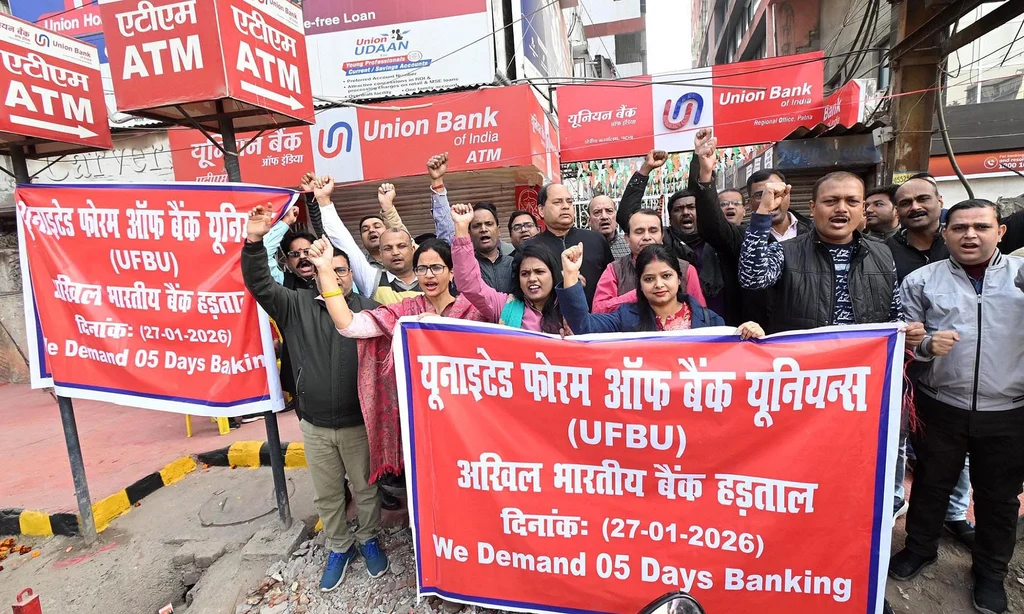
Bank union employees holding protest banners. Source: Hindustan Times / Hindustan Times via Getty Images
1. The Core Issues Driving Bank Union Strikes
Bank strikes are rarely spontaneous. They represent the culmination of protracted negotiations between union representatives, bank management, and government regulatory bodies. Today, union movements are centered around several critical issues:
- Five-Day Work Week Implementation: One of the most prominent demands across public and private sector banking unions is the official transition to a 5-day work week, declaring all Saturdays as official holidays. Currently, many banking frameworks observe alternate Saturday off-days.
- Wage Revision & Pension Reforms: With inflation impacting real purchasing power, unions advocate for updated wage structures, better superannuation benefits, and the updates of pensions for former employees.
- Staff Shortages and Work Pressure: Massive branch networks paired with inadequate hiring have led to severe work pressure on existing bank staff. Unions highlight that understaffing impairs customer service and increases occupational burnout.
- Opposition to Privatization: Public sector bank unions frequently raise concerns against proposed privatization policies, arguing that public sector institutions fulfill essential social banking roles that pure profit-driven models might neglect.
2. Key Stakeholders in Banking Union Actions
Understanding bank union actions requires identifying the key bodies involved in negotiations and decision-making:
| Stakeholder Category | Primary Entities / Examples | Core Role & Objective |
|---|---|---|
| Employee & Officer Unions | All India Bank Employees’ Association (AIBEA), UFBU, NCBE | Advocate for workforce rights, fair compensation, better working conditions, and job security. |
| Banking Management Association | Indian Banks’ Association (IBA) / Banking Federations | Represents bank management in bilateral negotiations regarding wage revisions and policy changes. |
| Regulatory Authorities | Central Banks (e.g., RBI), Ministry of Finance | Ensure financial stability, maintain liquidity in the banking system, and facilitate policy resolution. |
| General Public & Businesses | Retail Depositors, MSMEs, Corporate Clients | Rely on uninterrupted banking infrastructure for daily liquidity and financial transactions. |
3. The Economic & Public Impact of Bank Strikes
When union strikes halt branch operations, the immediate impact spans multiple touchpoints:
Key Takeaway: While digital banking channels (like net banking, UPI, and mobile apps) usually remain operational during strikes, physical branch services—such as cash clearance, cheque processing, loan disbursements, and institutional treasury operations—experience significant backlogs.
Impact Breakdown:
- Cheque Clearance Delays: Clearing houses experience huge backlogs, freezing working capital for businesses that rely heavily on physical paper transactions.
- ATM Liquidity Crunch: Off-branch ATMs can run out of cash quickly if replenishment services are interrupted over multi-day strike periods.
- Disruption to Rural & Semi-Urban Areas: While urban centers lean heavily on digital payments, rural and semi-urban communities remain reliant on local branches for basic banking services.
4. Navigating Banking Disruption: Guidance for Customers
To minimize inconvenience during union-announced strike days, financial experts recommend taking proactive steps:
- Plan Branch Visits Early: Complete high-priority in-person tasks—such as demand drafts, locker access, or large cash deposits—well ahead of announced strike dates.
- Utilize Digital Channels: Ensure internet banking credentials and mobile payment applications are active and updated for seamless transfers (NEFT/RTGS/IMPS).
- Maintain Adequate Cash Reserves: Keep essential cash on hand for emergency needs in case neighboring ATMs experience outages.
5. Looking Forward: The Path to Resolution
Sustainable resolution between bank strike unions and management requires balanced dialogue. While employees deserve fair compensation, humane working hours, and safe operating conditions, financial institutions must ensure operational continuity and fiscal responsibility.
As bilateral talks continue between union leadership and management associations, the industry continues moving toward greater digital integration—though the human element of banking remains as crucial as ever.